The Silent Revolution in the Fields
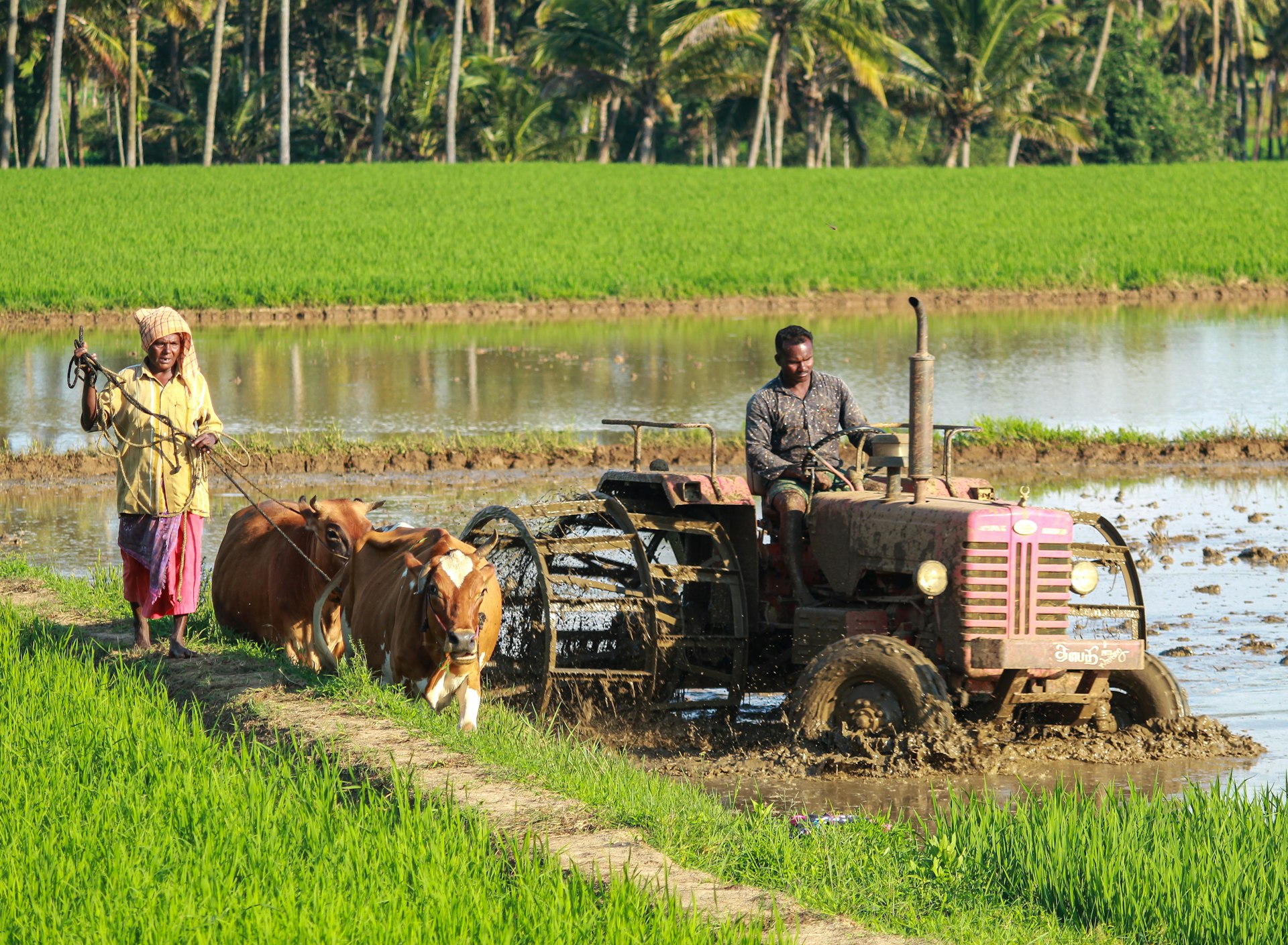
When you think of cutting-edge technology, your mind likely conjures images of sleek data centers, bustling software labs, or perhaps a self-driving car navigating city streets. It's less common to picture a herd of cows dotting a rolling pasture. Yet, a massive investment in Halter, a startup developing solar-powered smart collars for livestock, signals a profound shift. Peter Thiel's Founders Fund leading a $220 million funding round isn't just about agriculture; it's a powerful testament to the encroaching influence of sophisticated software and hardware in every corner of our lives.
For developers, this trend is crucial. The “internet of things” (IoT) is no longer a buzzword confined to smart homes and wearable fitness trackers. It's now fundamentally reshaping industries that, until recently, were considered analog. The underlying principles – sensor technology, data acquisition, real-time processing, and remote management – are precisely the same ones we utilize in developing complex enterprise software. The distinction is the environment and the stakes.
From Code to Cattle: What Developers Can Learn
Halter's product is elegant in its simplicity and powerful in its execution. Each cow wears a collar equipped with GPS, accelerometers, and other sensors. These devices collect data on location, movement patterns, and potentially even physiological indicators. This data is transmitted wirelessly to a central hub (likely leveraging cellular or a low-power wide-area network like LoRaWAN) and then processed in the cloud. Here's where the developer insight truly surfaces:
1. Robust, Always-On Data Pipelines: Imagine deploying an application that needs to ingest data from thousands, or even millions, of distributed, often power-constrained devices, many of which may have intermittent connectivity. This isn't a typical web app. It requires designing for massive ingestion, tolerance for dropped packets, efficient data serialization (perhaps using Protocol Buffers or MessagePack), and intelligent aggregation logic. Think of Kafka or Kinesis, but with an added layer of physical world unpredictability.
2. Edge Computing and Localized Intelligence: While the cloud is where heavy lifting happens, some processing might need to occur at the edge – on the collar itself or a local gateway. For instance, detecting if a cow has stopped moving for an unusually long time, or if it's exhibiting abnormal behavior, might trigger an immediate alert without needing a round trip to the cloud. This necessitates microcontrollers programmed with optimized algorithms (think C/C++ where memory and power are paramount) or even small AI models running locally.
3. Scalable Cloud Infrastructure and Analytics: The raw data collected needs to be transformed into actionable insights. This involves building scalable databases (time-series databases like InfluxDB or TimescaleDB are prime candidates), developing machine learning models for anomaly detection, predictive health monitoring, and optimizing grazing patterns. Developers experienced in building microservices, event-driven architectures, and data lakes will find familiar patterns here, albeit applied to a very different domain.
4. User Interface for Non-Technical Users: The end-users are farmers, not software engineers. The dashboards and mobile applications designed to present this data must be exceptionally intuitive. This means focusing heavily on clear visualizations, simplified alerts, and straightforward controls. The challenge isn't just coding the UI; it's understanding user psychology and domain-specific workflows to create a tool that genuinely simplifies, rather than complicates, the farmer's job.
Powering Progress with Limited Resources
The “solar-powered” aspect of Halter's collars is a critical constraint that informs the engineering choices. Developers in embedded systems understand the constant battle against power consumption. Every milliwatt counts. This translates to:
- Optimized Firmware: Writing efficient code that minimizes CPU cycles and sleeping as much as possible.
- Low-Power Communication Protocols: Choosing technologies like LoRaWAN or NB-IoT over Wi-Fi or cellular where appropriate for infrequent, small data transmissions.
- Smart Battery Management: Designing systems that can predict power availability (sunlight) and adjust data transmission or processing accordingly.
This focus on resource constraint isn't unique to agriculture. It's present in remote sensing, industrial monitoring, and any application where devices operate off the grid or on limited power budgets. Developers who have grappled with these challenges in desktop or server environments will find them amplified, demanding a deeper understanding of hardware-software co-design.
The Future: Agriculture as a Software Problem
Investments like this are not outliers. They represent a trend where complex, data-driven solutions are being applied to solve age-old problems. Precision agriculture, automated irrigation systems, drone-based crop monitoring – these are all software-driven initiatives. The infrastructure for these systems mirrors the challenges we face in conventional software development: reliable data ingestion, scalable processing, insightful analytics, and user-friendly interfaces. Whether you're building enterprise SaaS or designing smart cow collars, the fundamental engineering principles remain the same: build robust systems, process data efficiently, and deliver clear value.
For developers looking for opportunities beyond the typical tech landscape, the agricultural sector (and indeed, many other traditionally “non-tech” industries) presents a fertile ground. The demand for engineers who can bridge the gap between software expertise and domain-specific challenges is only going to grow. The next big breakthrough might not be in a server farm, but out in a field, powered by the sun and guided by code.