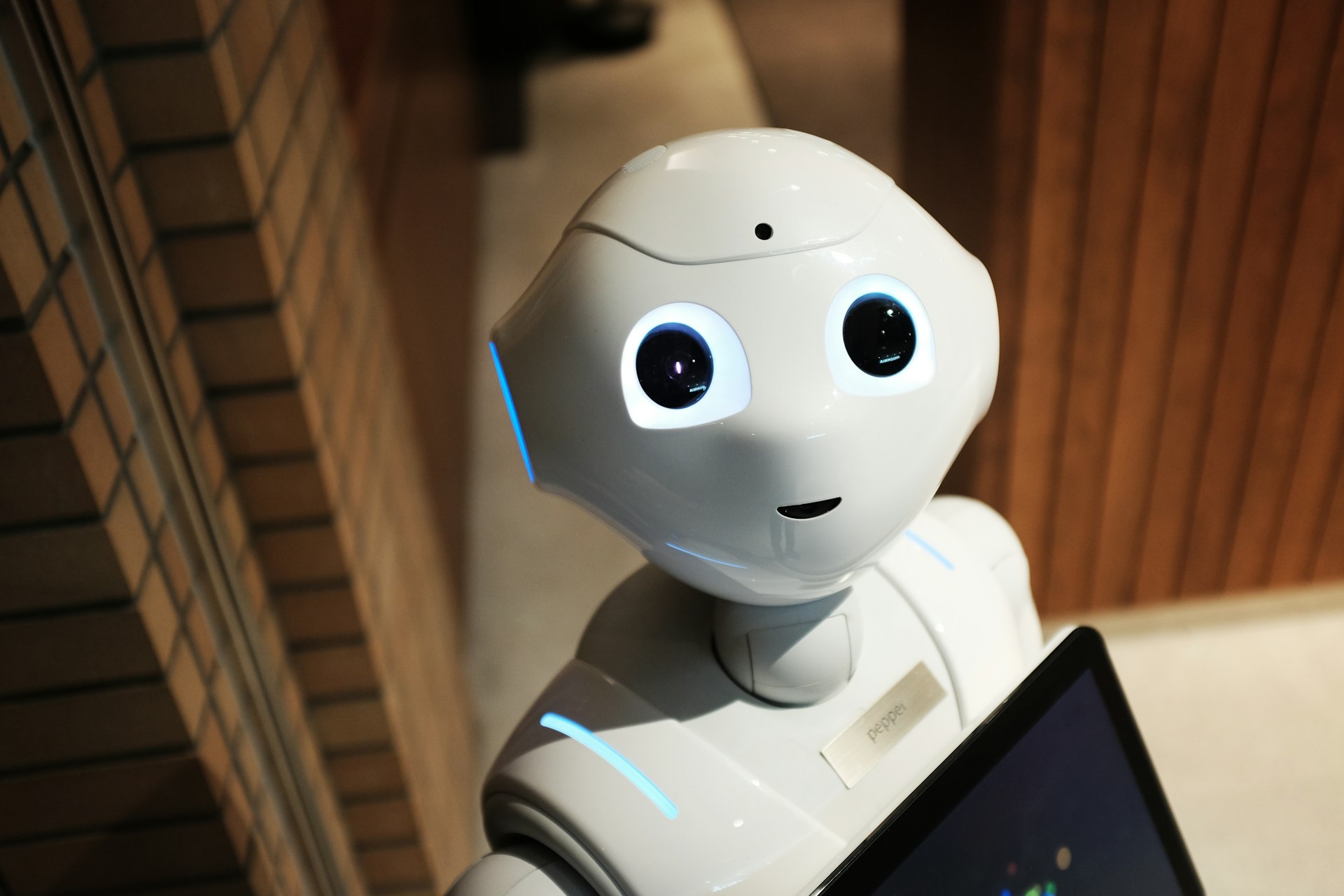
The promise of humanoid robots in manufacturing has been ten years away for the past thirty years. But something has shifted. Over the past six months, we visited three facilities — a BMW assembly plant in South Carolina, a Foxconn facility in Zhengzhou, and a logistics hub operated by Amazon in Tennessee — all actively deploying humanoid robots alongside human workers.
What They Can Actually Do
The current generation of humanoid robots excels at repetitive manipulation tasks that require spatial awareness but not fine dexterity. Think: picking parts from bins, carrying components between workstations, and basic assembly tasks like inserting connectors or tightening bolts.
At the BMW plant, Figure 02 robots handle parts delivery along a 200-meter production line. They navigate autonomously, avoid obstacles (including confused journalists), and can carry loads up to 25kg. The key insight: they're not replacing workers on the line — they're eliminating the walking that assembly workers previously did, reducing fatigue and increasing productive time by an estimated 18%.
The Economics
At current pricing (~$50K-80K per unit for a 3-year lease), humanoid robots become cost-effective when they can reliably operate for two shifts per day with minimal intervention. We're not there yet — most deployments still require one human supervisor per four robots. But the trajectory is clear, and the cost curve is dropping fast.
What's Next
The next 18 months will be decisive. As models improve at learning from demonstration (rather than explicit programming), deployment times will shrink from months to weeks. The factories that figure out human-robot collaboration first will have a significant competitive advantage.