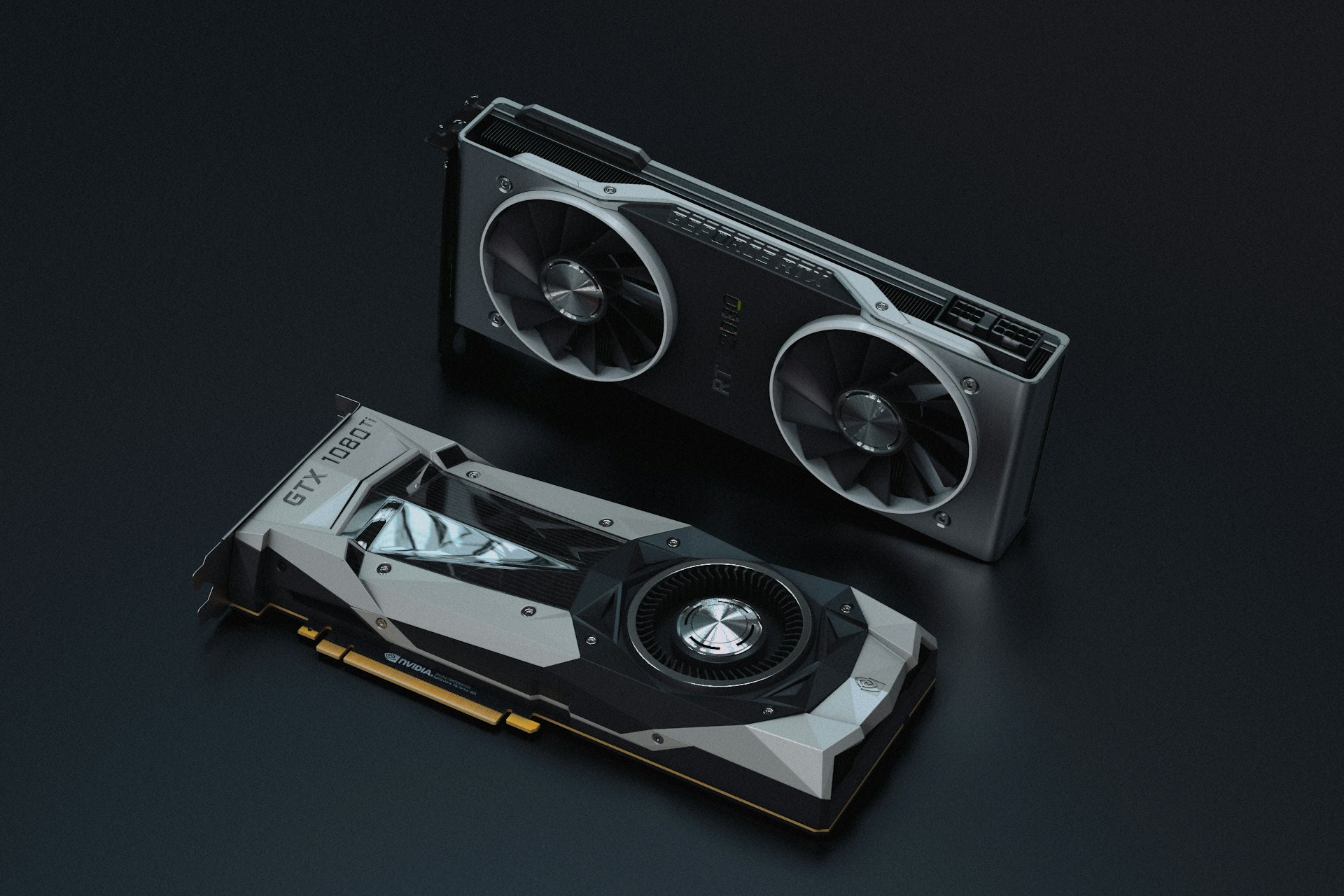
The tech world loves a good comeback story. When whispers started circulating that Apple had greenlit a driver enabling Nvidia external GPUs (eGPUs) to function with Apple Silicon (Arm-based Macs), many rejoiced. For developers who’d invested in powerful Nvidia hardware, this felt like a lifeline, a way to breathe new life into expensive components previously orphaned by Apple's chip transition. But before you dust off that old eGPU enclosure, let's get real about what this actually signifies for the engineering community.
The Shift Away from Intel and the eGPU Headache
For years, Macs relied on Intel processors. This had a significant advantage: broad compatibility. If a piece of hardware worked on PCs, there was a decent chance it would work on a Mac, especially with readily available drivers. eGPUs, particularly those from Nvidia, became a popular solution for developers needing serious graphical horsepower for tasks like machine learning, video editing, or complex simulations, without shelling out for a Mac Pro.
The transition to Apple Silicon, while a monumental technical achievement for Apple, created a fragmentation problem. The x86 architecture of Intel Macs is fundamentally different from the Arm architecture of Apple Silicon. This meant that drivers and software compiled for Intel wouldn't run natively on M-series chips. For eGPU users, this was a major blow. Nvidia, in particular, seemed to prioritize its Windows drivers, leaving Mac users in the lurch. The expectation was that this would be a permanent divorce in the world of Mac graphics acceleration.
What Does "Approved Driver" Actually Mean?
The recent buzz centers on Apple approving a specific driver. This isn't a sudden, broad embrace of all Nvidia hardware. Instead, it points to a targeted enablement, likely for a specific use case or a particular piece of hardware that Apple deemed important enough to support. The devil, as always, is in the details:
- Limited Hardware Support: It’s highly unlikely that this means *all* Nvidia GPUs will suddenly work. Apple’s internal driver development is meticulous, and they would only approve what’s necessary for their ecosystem. This could mean support for a single, high-end card used in specific professional workflows that Apple wants to retain.
- Performance Caveats: Even if a driver is approved, the performance might not be what you’d expect. Thunderbolt bandwidth, core macOS optimizations, and the driver’s own efficiency will all play a role. Expect compromises.
- Focus on Professional Workflows: Apple’s primary target is its professional user base – developers, creatives, researchers. They aren't enabling eGPUs for the casual gamer. The driver’s inclusion is likely driven by the needs of specific professional applications that are critical to Apple’s bottom line and ecosystem strategy.
The Developer’s Perspective: Manage Expectations
For developers, this news should be met with cautious optimism, not immediate adoption. Here’s how to approach it:
1. Verify Your Specific Use Case
If you’re relying on an Nvidia eGPU for CUDA-accelerated machine learning, or for demanding graphics rendering, the first step is to ascertain if the *specific* Nvidia card you have is supported by this new driver. Check Apple’s official documentation (if available) or developer forums where early adopters are sharing their experiences. Don’t assume blanked support.
2. Understand the Throttles
Apple Silicon Macs are designed with integrated graphics that are highly optimized for the system-on-a-chip (SoC) architecture. An external GPU introduces a bottleneck: the Thunderbolt connection. While Thunderbolt 4 offers considerable bandwidth, it’s still less than the direct PCIe lanes available on a desktop motherboard. This means your eGPU might not perform as well as it would connected directly to a comparable PC. For compute-intensive tasks that aren’t heavily reliant on ultra-low latency graphics, it might still be viable. For real-time rendering or high-frame-rate gaming, the limitations will be stark.
3. Consider the Long Game
Apple’s trajectory is clearly towards its own silicon. While this enables some backward compatibility for existing hardware, it's a concession, not a long-term strategy. Future macOS updates might not always maintain this support, or performance tweaks might lag behind Nvidia’s own driver development for Windows. If you’re building a new workflow or investing in hardware for the long haul, relying on Apple’s integrated or future discrete GPU solutions (should they emerge) is likely a more stable path.
What This Means for the Ecosystem
This move is likely a strategic one by Apple. By enabling specific Nvidia eGPU support, they might be:
- Retaining Professionals: Preventing high-end Mac users from jumping ship to Windows for specific GPU-intensive tasks.
- Smoothing the Transition: Offering a temporary bridge for users heavily invested in their existing eGPU setups.
- Testing the Waters: Potentially evaluating the demand and technical feasibility for more robust external hardware integration in the future.
Ultimately, while the news of Nvidia eGPU support on Arm Macs is technically significant, it’s not the universal unlock some might have hoped for. For developers, it’s a reminder to always dig into the specifics. Does it support *your* card? What are the performance trade-offs? And does it align with your long-term development strategy? Don’t let the headlines dictate your hardware decisions; let your actual workflow and the granular details of the implementation guide you.